

The Beauty and Importance of Flowers
Flowers have captivated human beings for centuries with their vivid colors, intricate designs, and delightful fragrances. Found in nearly every environment on Earth, from alpine meadows to desert valleys, flowers are more than just beautiful—they are essential components of our ecosystem and culture.
What Are Flowers?
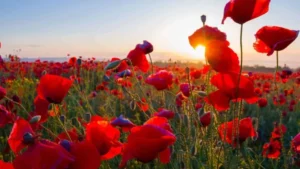
Flowers are the reproductive structures of flowering plants (angiosperms). Their primary function is to facilitate reproduction, often with the help of pollinators such as bees, butterflies, birds, and even the wind. A typical flower consists of petals, sepals, stamens (male reproductive parts), and carpels or pistils (female reproductive parts).
The Role of Flowers in Nature
Beyond their aesthetic appeal, flowers play a critical role in ecosystems:
-
Pollination: Flowers attract pollinators with their colors and scents, ensuring that pollen is transferred from one flower to another to enable fertilization.
-
Seed Production: After pollination and fertilization, many flowers produce seeds that ensure the survival of plant species.
-
Biodiversity: Flowers support a wide range of insects, birds, and mammals, contributing to rich and diverse ecosystems.
Flowers and Human Culture
Flowers hold deep symbolic and emotional meanings across cultures and time periods:
-
Celebrations: From weddings to birthdays, flowers are central to many joyful events.
-
Expressions of Emotion: Flowers are used to express love, sympathy, gratitude, and apology.
-
Religious and Spiritual Symbolism: Many religions use flowers in rituals and ceremonies. For example, the lotus is sacred in Buddhism and Hinduism.
-
Art and Literature: Flowers have inspired countless works of art, poetry, and literature throughout history.
Common Types of Flowers
Here are a few popular and widely recognized flowers:
-
Roses: Known for their beauty and symbolism of love.
-
Sunflowers: Famous for their bright yellow petals and following the sun.
-
Tulips: A symbol of spring and renewal, popular in gardens and floral arrangements.
-
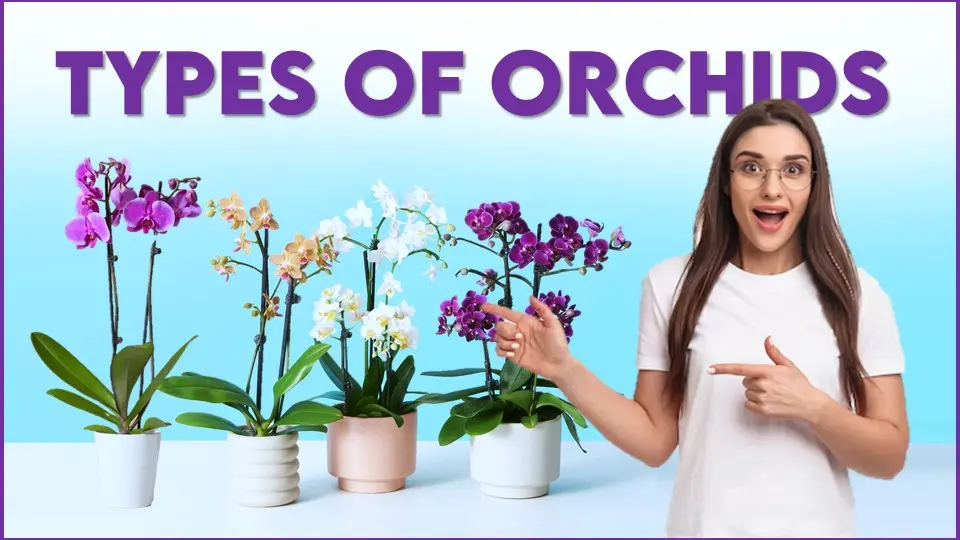
Orchids: Exotic and diverse, representing beauty and elegance.
-
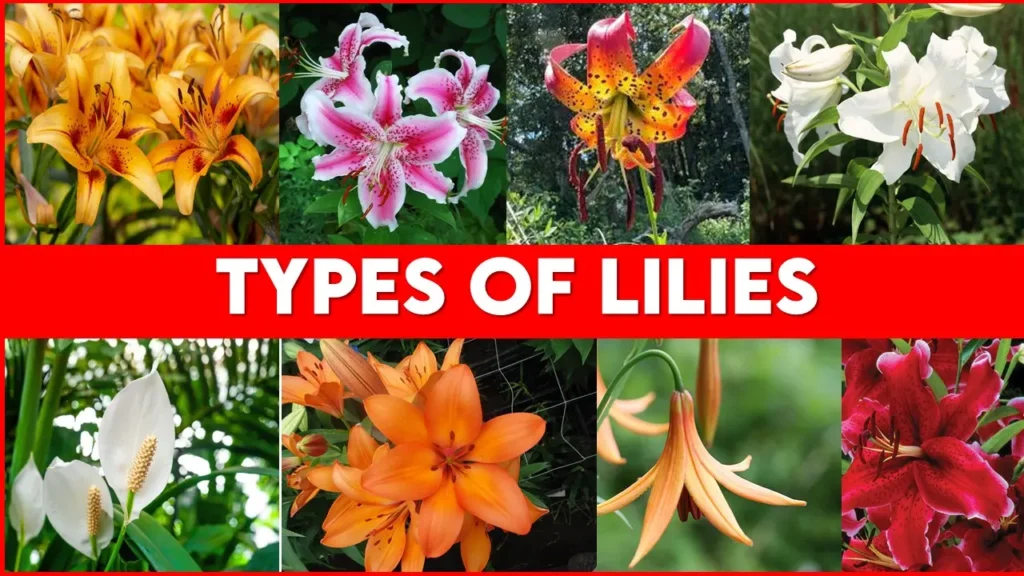
Lilies: Often associated with purity and used in religious and memorial services.
The Economic Importance of Flowers
The global floriculture industry, which includes the cultivation and trade of flowers, is a multibillion-dollar business. Flowers are sold fresh, dried, or processed into perfumes, essential oils, and even food products. Countries like the Netherlands, Kenya, and Colombia are major exporters of cut flowers worldwide.
Environmental Concerns and Conservation
As beautiful and beneficial as flowers are, their survival is increasingly threatened by:
-
Habitat loss due to urbanization and agriculture.
-
Climate change, which alters flowering seasons and disrupts pollinator activity.
-
Pesticides, which can harm both flowers and the creatures that pollinate them.
Conservation efforts are now focused on protecting native flower species and their habitats, promoting sustainable gardening practices, and supporting pollinator health.
Conclusion
Flowers are more than just nature’s decoration—they are vital to the health of our planet and deeply rooted in human life. Whether you’re planting a garden, giving a bouquet, or simply stopping to admire a wildflower, take a moment to appreciate the profound beauty and purpose flowers bring to our world.