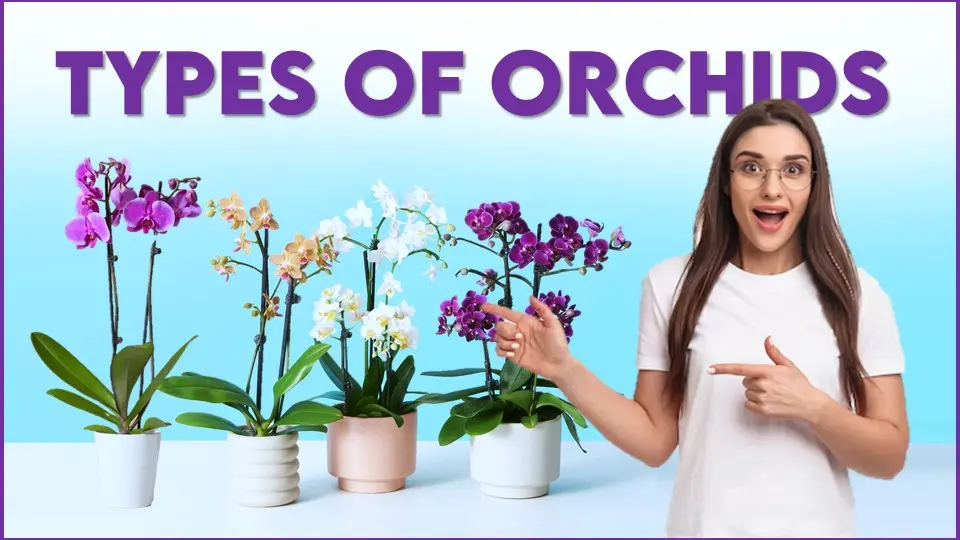
Orchids are among the most captivating and diverse flowering plants on Earth. Known for their intricate shapes, vibrant colors, and often enchanting fragrances, orchids have fascinated botanists, collectors, and flower lovers for centuries. With their exotic beauty and symbolic meaning, they hold a special place in both nature and human culture.
Botanical Overview
Orchids belong to the family Orchidaceae, which is one of the largest families of flowering plants, with over 25,000 species and more than 100,000 hybrids. They are found on every continent except Antarctica, thriving in a variety of environments—from tropical rainforests and grasslands to mountainous regions.
Unlike most flowers, orchids have a highly specialized structure. Each flower typically has three petals and three sepals, with one petal forming a distinctive lip (called the labellum), which helps attract pollinators like bees, butterflies, and even birds.
Unique Characteristics
- Epiphytic Nature: Many orchids, especially tropical ones, are epiphytes—plants that grow on trees or rocks rather than in soil. They absorb moisture and nutrients from the air and rain.
- Diverse Pollination Strategies: Orchids have evolved fascinating methods to attract specific pollinators. Some mimic the appearance or scent of female insects to lure males for pollination.
- Long Bloom Time: Many orchid species bloom for weeks or even months, making them popular as decorative plants.
Cultural Significance
Orchids have held symbolic meanings in various cultures throughout history:
- In Ancient Greece, orchids were associated with fertility and virility.
- In China, orchids symbolize refinement, elegance, and friendship.
- In Victorian England, owning exotic orchids was a sign of wealth and sophistication.
Today, orchids are often associated with love, luxury, and delicate beauty. The Vanilla orchid (Vanilla planifolia) is especially notable, as it is the source of natural vanilla flavoring used in food and fragrance.
Popular Types of Orchids
- Phalaenopsis (Moth Orchid) – One of the easiest orchids to grow, with large blooms and long-lasting flowers.
- Cattleya – Known for its bold, fragrant blooms; often used in corsages.
- Dendrobium – A diverse genus with slender stems and delicate flowers.
- Oncidium (Dancing Lady Orchid) – Noted for its ruffled, bright yellow flowers.
- Vanda – Loved for their vivid colors and frequent blooms.
Growing Orchids at Home
While orchids have a reputation for being difficult to grow, many species are well-suited for indoor cultivation:
- Light: Bright, indirect light is ideal.
- Humidity: Most orchids prefer a humid environment (50–70%).
- Watering: Water sparingly; overwatering is a common mistake. Let the roots dry out slightly between waterings.
- Potting Medium: Use a loose, well-draining orchid mix (e.g., bark, moss, or coconut husk).
- Airflow: Good ventilation helps prevent mold and pests.
With proper care, orchids can thrive for years and rebloom annually.
Orchids and Conservation
Due to habitat loss and over-collection, many wild orchid species are now endangered. Conservation efforts include habitat protection, propagation through tissue culture, and responsible orchid farming. Buying from reputable growers helps ensure the survival of rare species.
Conclusion
Orchids are far more than just beautiful flowers—they are a botanical wonder, rich in diversity and history. Whether growing wild in a tropical forest or blooming on a windowsill, orchids continue to mesmerize with their unique beauty, resilience, and elegance. Their global popularity is a testament to nature’s artistry and the enduring human fascination with the extraordinay.