The lily is one of the most beloved and iconic flowers in the world. Known for its elegant, trumpet-shaped blooms and often sweet fragrance, the lily has long held a special place in gardens, religious symbolism, art, and literature. From ancient myths to modern weddings, this flower continues to symbolize purity, beauty, and rebirth.
A Glimpse into History
Lilies have been admired and cultivated for over 3,000 years. Ancient civilizations like the Egyptians, Greeks, and Romans used lilies in religious ceremonies and art. In Greek mythology, lilies were said to have sprung from the milk of the goddess Hera. The flower also appears frequently in Christian iconography, often associated with the Virgin Mary, symbolizing her purity and motherhood.
Types of Lilies
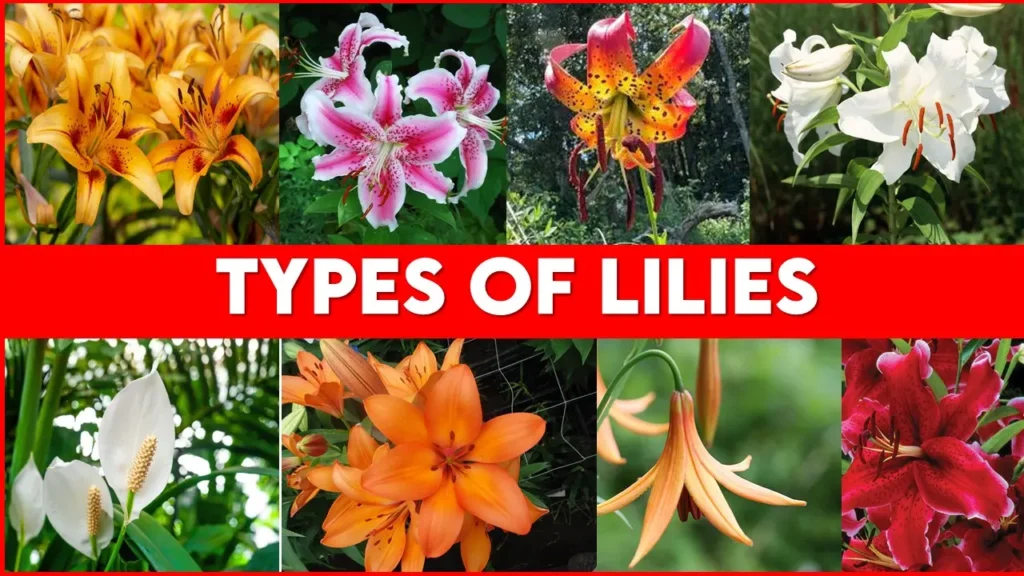
While the term “lily” is often used broadly, true lilies belong to the genus Lilium. There are over 90 species, and they come in a wide variety of colors, sizes, and bloom shapes. Some popular types include:
-
Asiatic Lilies – Early bloomers with upward-facing flowers; not fragrant but very colorful.
-
Oriental Lilies – Known for their large, fragrant blooms and late-summer flowering.
-
Trumpet Lilies – Shaped like trumpets with a strong fragrance.
-
Tiger Lilies – Orange with dark spots, symbolizing wealth and pride.
🌸 Note: Many flowers with “lily” in their names, like daylilies or water lilies, are not true lilies botanically.
Cultural and Symbolic Significance
Lilies hold deep symbolic meanings across cultures and religions:
-
Purity and Innocence – Especially the white lily, often used in weddings and funerals.
-
Motherhood and Fertility – Associated with femininity and maternal love.
-
Rebirth and Renewal – Frequently seen in Easter celebrations as symbols of resurrection.
Different colors of lilies carry specific meanings:
-
White – Purity, virtue, and peace
-
Pink – Prosperity and admiration
-
Orange – Passion and confidence
-
Yellow – Gratitude and joy
-
Red – Love and longing
Growing Lilies
Lilies are relatively easy to grow and make striking additions to gardens:
-
Planting: Best grown from bulbs, planted in well-drained soil in spring or fall.
-
Sunlight: Full sun to partial shade.
-
Watering: Moderate; avoid waterlogged soil to prevent rot.
-
Maintenance: Mulch to keep roots cool; deadhead spent blooms to promote further flowering.
⚠️ Caution: Lilies are extremely toxic to cats, even in small amounts. Pet owners should avoid growing them indoors or in accessible outdoor areas.
Uses and Applications
Aside from their ornamental beauty, lilies have been used in various ways:
-
Religious Ceremonies: Common in Christian Easter and funerary traditions.
-
Weddings: White lilies are a popular choice for bridal bouquets.
-
Perfumery: Some species are used in high-end fragrances for their heady scent.
-
Symbolic Gifts: A thoughtful flower for many life occasions, from births to condolences.
Conclusion
With their graceful form and rich symbolism, lilies are more than just beautiful flowers. They carry deep cultural, spiritual, and emotional meanings that have transcended time and geography. Whether blooming in a quiet garden, gracing a religious altar, or adorning a wedding bouquet, the lily remains a timeless emblem of life’s most meaningful moments.