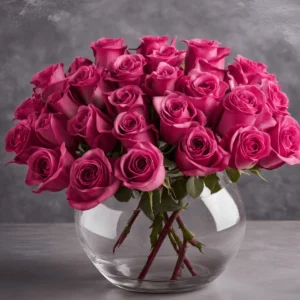
The rose, with its intricate petals and captivating fragrance, is one of the most celebrated and cherished flowers in the world. A symbol of love, passion, and elegance, roses have held cultural, historical, and spiritual significance across civilizations for thousands of years.
A Brief History of the Rose
Roses have been cultivated for over 5,000 years, with the earliest known gardens found in ancient Mesopotamia and China. In ancient Rome, roses were used as confetti at celebrations, for medicinal purposes, and even as perfume. During the 15th century, the rose was emblematic in the English Wars of the Roses, where the white rose represented the House of York and the red rose symbolized the House of Lancaster.
Varieties and Types
There are over 300 species and thousands of cultivars of roses. They generally fall into three main categories:
-
Hybrid Tea Roses – Known for their long stems and single large blooms, ideal for bouquets.
-
Floribunda Roses – These bear clusters of flowers, offering a vibrant display.
-
Climbing and Rambling Roses – These varieties grow vertically, perfect for trellises and walls.
Roses also come in nearly every color, each with its own meaning:
-
Red – Love and passion
-
White – Purity and innocence
-
Yellow – Friendship and joy
-
Pink – Grace and admiration
-
Blue or Black (dyed) – Mystery or farewell
Growing and Caring for Roses
Roses thrive in well-drained soil with at least 6 hours of sunlight per day. Regular watering, pruning, and feeding with appropriate fertilizers help maintain their health and encourage more blooms. While they can be susceptible to pests like aphids and diseases like black spot, proper garden hygiene and natural remedies can keep these issues at bay.
Symbolism and Cultural Significance
The rose has been a universal symbol across cultures:
-
In literature, Shakespeare immortalized it in Romeo and Juliet: “A rose by any other name would smell as sweet.”
-
In religion, the rose is associated with the Virgin Mary in Christianity, often referred to as the “Mystical Rose.”
-
In art and mythology, roses often appear in themes of romance, beauty, and even secrecy, as in the Latin phrase sub rosa (“under the rose”), denoting confidentiality.
Uses Beyond the Garden
Beyond their ornamental beauty, roses are used in:
-
Perfumery – Rose oil is a prized component in many fragrances.
-
Culinary arts – Rosewater flavors sweets and drinks in Middle Eastern and Indian cuisines.
-
Medicine and skincare – Rose extracts are believed to have anti-inflammatory and soothing properties.
Conclusion
The rose is much more than just a flower. It’s a timeless emblem of emotion, culture, and human expression. Whether in a garden, a poem, or a perfume bottle, the rose continues to captivate hearts and inspire creativity around the world.